
The Intersection of Physical Therapy and Fitness Training
Hello, everyone! I’m Zach, a physical therapist here at Rehabilitation Health Center, and today I want to dive into a topic that’s near and dear to my heart: the connection between physical therapy and fitness training. Many people don’t realize how intertwined these fields are and how they can complement each other in your journey toward better health and wellbeing.
Understanding Physical Therapy
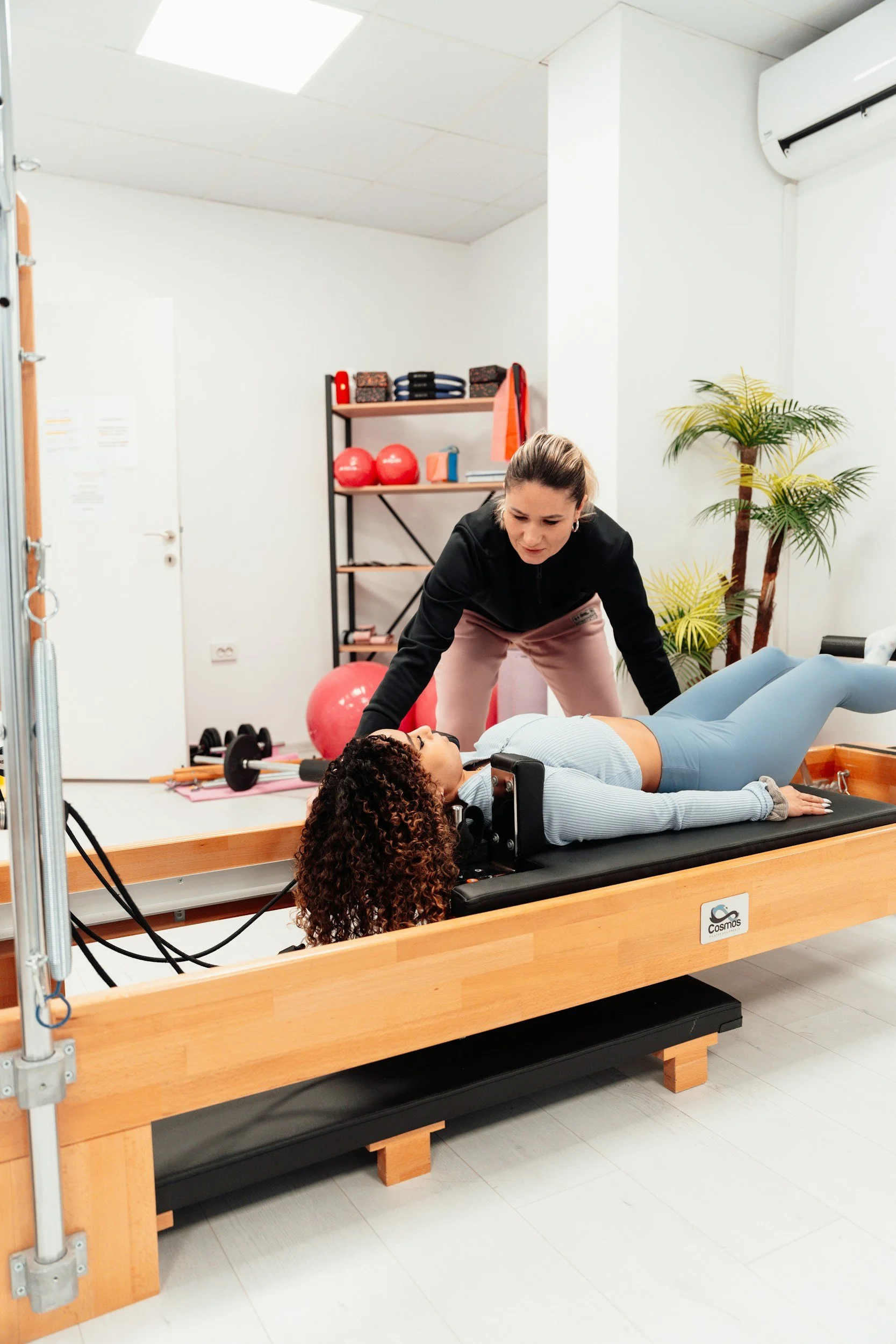
First, let's break down what physical therapy (PT) is all about. At its core, PT is a treatment approach focused on improving movement, reducing pain, and enhancing quality of life, particularly after an injury, surgery, or chronic pain condition. We work with individuals to help them restore function and mobility through personalized exercise programs, manual therapy, education on body mechanics, and pain management techniques.
In the realm of physical therapy, the goal is often to rehabilitate and restore function. For example, if someone has had knee surgery, we focus on helping them regain strength and range of motion in that knee, progressing through specialized exercises that target the affected area.
The Role of Fitness Training
On the other hand, fitness training is primarily about improving overall physical fitness and performance. This can include strength training, cardiovascular conditioning, flexibility, and balance training. Fitness training is typically goal-oriented—whether it’s to lose weight, build muscle, run a marathon, or simply feel stronger and healthier.
Many people think of fitness training as something you do in the gym, often with a personal trainer or through group classes. But fitness training can encompass anything from recreational activities like jogging or biking to sports and dance.
Where PT Meets Fitness Training
Now, you might wonder how these two areas intersect. Well, they actually complement each other more than you might think!
1. Rehabilitating and Integrating Back into Fitness
One of the most significant overlaps between PT and fitness training comes into play when someone is recovering from an injury. Many of my clients are athletes or active individuals who want to return to their workouts or sports after an injury.
During physical therapy, we first focus on rehabilitation—helping clients regain strength, flexibility, and functionality. As they progress, we don’t just want them to head back to their pre-injury routines. We want to ensure they're better prepared to handle the demands of their activities to prevent future injuries.
This is where the transition into fitness training becomes essential. Once a client has recovered sufficiently, I often collaborate with fitness trainers or guide them through the next steps in a safe and effective way. We may incorporate strength training exercises that reinforce the areas affected by the injury while promoting overall fitness.
2. Education on Movement Mechanics
One of the primary roles of a physical therapist is to educate clients about proper movement mechanics. Understanding how to move correctly can significantly impact your fitness journey. Poor form during exercises can lead to injuries and setbacks.
For instance, I often teach clients proper squat techniques if they are looking to build leg strength. By learning correct mechanics, clients not only maximize their workouts but also reduce the risk of injuries. This knowledge is vital as it fosters a mind-body connection that enhances performance in the gym and beyond.
3. Personalization of Exercise Programs
In both PT and fitness training, personalization is key. Everyone is unique, with different goals, experiences, and physical conditions. In physical therapy, I assess each client’s specific needs and create individualized exercise programs accordingly.
Similarly, fitness trainers work to develop personalized plans based on their clients’ goals and fitness levels. When we collaborate, clients benefit from having tailored workouts that consider their rehabilitation needs, ensuring no step in their fitness journey is skipped.

4. Promoting Long-Term Wellness
Both physical therapy and fitness training play crucial roles in promoting long-term wellness. Fitness training encourages active lifestyles, while physical therapy addresses existing issues to keep clients active. Together, they create a holistic approach to health.
People who engage in regular physical activity are likely to have fewer health issues and a higher quality of life. By receiving PT when needed and continuing fitness training, clients develop sustainable routines and habits that enhance their overall wellbeing.
Success Stories from the Clinic
Let’s take a moment to share a couple of success stories that showcase this intersection in action.
Case Study 1: Emily’s Comeback
Emily, a passionate runner, came to our clinic after suffering a shin injury that sidelined her for several months. During her time in physical therapy, we focused on reducing her pain, increasing her range of motion, and building strength in her legs.
After completing her rehabilitation, Emily was eager to get back to running. I worked closely with her, gradually reintroducing running into her routine and provided exercises to improve her form and strength. With this personalized approach, Emily was able to safely return to running and even improved her times due to her enhanced strength and technique!
Case Study 2: Mark’s Transformation
Mark was an active individual who loved lifting weights but found himself dealing with chronic lower back pain. Through physical therapy, we identified muscle imbalances contributing to his pain and developed a comprehensive program that included targeted strengthening, flexibility exercises, and education about proper lifting techniques.
Once Mark was out of pain, he transitioned to a fitness training program that not only helped him maintain strength but also enhanced his overall mobility and core stability. Today, Mark can lift heavier weights than before, all while remaining pain-free and confident in his movements.
Tips for Enhancing Your Fitness Journey
As you can see from these stories, a collaborative approach between physical therapy and fitness training can lead to incredible transformations. Here are some tips to help you leverage this approach:
Listen to Your Body: If you experience pain or discomfort while exercising, don't ignore it. Consult a physical therapist to identify any underlying issues before continuing your workout regimen.
Prioritize Mobility Work: Incorporating daily stretching and mobility exercises can enhance flexibility, reduce pain, and improve your performance in fitness training.
Set Clear Goals: Whether it's to recover from an injury or achieve a new fitness milestone, setting clear and achievable goals can keep you motivated and focused.
Stay Educated: Learn about proper movement mechanics and exercise techniques. Knowledge empowers you to work out more safely and effectively.
Seek Professional Guidance: If you’re recovering from an injury or looking to optimize your fitness training, consider teaming up with both a physical therapist and a fitness trainer for the best results.
Final Thoughts
The intersection of physical therapy and fitness training creates powerful synergies that can enhance your health, performance, and quality of life. As a physical therapist, I’ve seen firsthand how people can thrive when they take this integrated approach.
If you’re on a fitness journey or want to get back on track after an injury, I encourage you to explore how physical therapy might be a valuable part of your journey. It’s all about finding balance, using the right tools to succeed, and embracing the process of becoming your best self.
Thank you for joining me today! If you have any questions or want to learn more about how we can support you here at Rehabilitation Health Center, feel free to reach out. Here’s to a healthier, more active lifestyle—together!