
Summer Sports Injuries: A PT's Guide to Staying Active All Season
By Zach | Rehabilitation Health Center | July 8, 2026
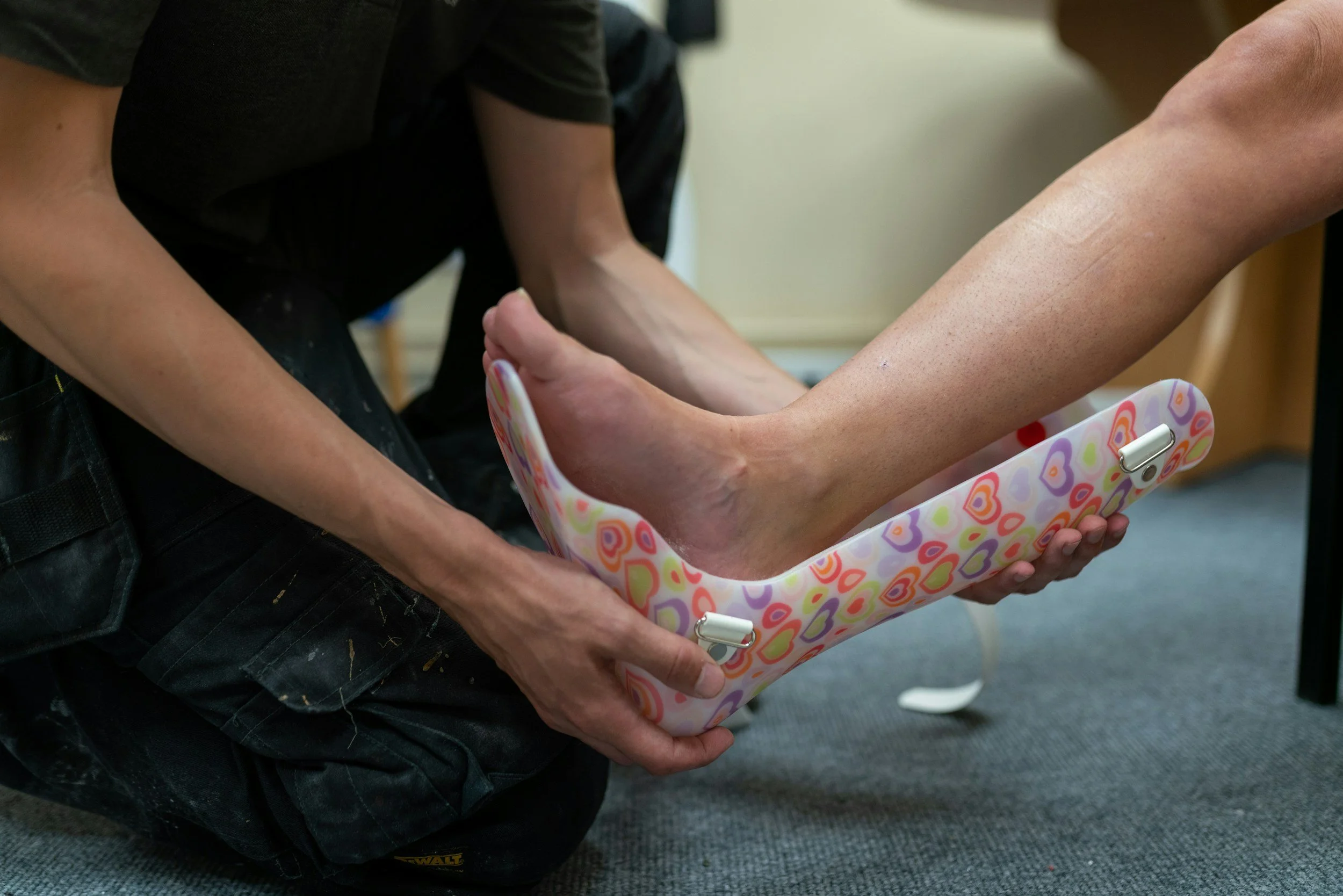
Hey there! Summer is finally in full swing here in Michigan, and honestly, it's my favorite time of year — both for being outside and for what I get to do at the clinic. People are golfing, hiking the trails, playing softball on Tuesday nights, swimming laps, and spending entire weekends doing yardwork they've been putting off since April. I love seeing everyone so active.
There's just one catch. This time of year, the treatment tables at RHC fill up pretty fast.
That's not a complaint — helping people get back to doing the things they love is exactly why I became a PT. But I'd rather help you avoid getting hurt in the first place, or at least understand what's going on when something doesn't feel right. So here's a rundown of the summer sports injuries I see most often, why they happen, and how physical therapy can help — whether you're dealing with one right now or just want to stay in the game all season long.
1. Ankle Sprains (Yes, Even in Your Backyard)
Ankle sprains are one of the most common summer sports injuries in Michigan, and they happen in the most unexpected places — stepping off a curb funny after a hike, rolling your ankle rounding second base, or catching a bad patch of ground during an evening walk. The ligaments on the outside of your ankle stretch or tear, and suddenly you're limping and wondering if you should just "walk it off."
Here's the thing: most people try to push through ankle sprains, and that's when they end up with chronic instability or re-injury later in the season. In physical therapy for this kind of sports injury, we work on reducing swelling and pain, yes, but the real goal is restoring your balance and strengthening the muscles around the ankle so it doesn't happen again. A good rehab plan can have you back on the trail or the diamond in a few weeks — not a few months.
Prevention tip: Work on single-leg balance exercises a few times a week. Standing on one foot for 30 seconds sounds simple, but it genuinely trains the stability system your ankle relies on.
2. Shoulder Strains from Golf, Swimming, and Overhead Work
Summer is peak golf season in Michigan, and the shoulder is one of the first things to go. The rotator cuff — a group of four small muscles that keep your shoulder working the way it should — takes a serious beating from repetitive overhead motion, whether that's your golf swing, pulling a freestyle stroke in the pool, or reaching up into tree branches with those pruning shears.
Shoulder pain that shows up during or after activity, or lingers into the evening, is worth paying attention to. As a PT who works with active adults, I see a lot of people come in after weeks of ignoring it, and that almost always means a longer recovery. Caught early, rotator cuff strains respond really well to targeted strengthening and movement re-education — we can often get you back to your full game without surgery or extended time off.
Prevention tip: Before you tee off or hit the pool, do a few minutes of shoulder circles and band pull-aparts to warm up the rotator cuff. Your shoulder will thank you on hole 18.
3. Low Back Pain from Yardwork
Yardwork is the great deceiver. It doesn't feel like "exercise," but four hours of weeding, shoveling mulch, and leaning over flower beds is an enormous load on your lumbar spine. Low back strains from yardwork are something I see constantly all summer long, and they almost always come from the same pattern: people do too much, too fast, with poor mechanics, after weeks of sitting at a desk.
Sports injury physical therapy is incredibly effective for low back issues — we work on loosening up tight hip flexors and hamstrings (which pull on your lower back), building core stability, and teaching movement patterns that protect your spine. You don't have to give up the garden. You just need to move smarter.
Prevention tip: Take breaks every 20–30 minutes, alternate between different tasks to vary your posture, and hinge at your hips when bending — not just at your back. And yes, use a kneeling pad.
4. Knee Pain from Hiking and Running
Michigan's trails are incredible in summer, and a lot of people ramp up their hiking or running mileage pretty aggressively once the weather turns nice. That sudden spike in activity is a recipe for knee pain — specifically things like IT band syndrome (pain on the outer knee), patellofemoral syndrome (pain around the kneecap), or general overuse inflammation.
Knee pain is one of those things that seems manageable until it's not. If you're noticing discomfort that lingers after your hike or run, or that starts creeping in earlier and earlier during activity, it's time to get it checked out. Physical therapy for active adults dealing with knee pain usually focuses on hip and glute strength (yes, really — weak hips are a major driver of knee problems), along with gait analysis and a gradual return-to-activity plan.
Prevention tip: Increase your weekly mileage gradually — no more than 10% per week is a good rule of thumb. And don't skip the downhill sections; descending puts 3–4 times your body weight through your knees, so slow down and step carefully.
When Should You See a PT?
The honest answer? Earlier than you think. A lot of the summer sports injuries I treat could have been resolved in a handful of visits if someone had come in sooner. The longer you wait, the more compensations your body develops, and the more work we have to undo.
You don't need to be in serious pain or have a dramatic injury to benefit from physical therapy for active adults. If something has been nagging you for more than a week or two, or if it's starting to change the way you move, that's your cue.
Ready to feel better and stay active all summer?
We'd love to help. Whether you're dealing with a fresh injury or something that's been bothering you all season, the team at Rehabilitation Health Center is here for you. We work with all kinds of active people across Michigan — golfers, hikers, softball players, swimmers, weekend warriors of every variety.
No pressure, no complicated process. Just a conversation about what's going on and a plan to get you back to doing what you love. Visit us at rhc-pt.com to learn more or request an appointment. We're in your corner.
— Zach